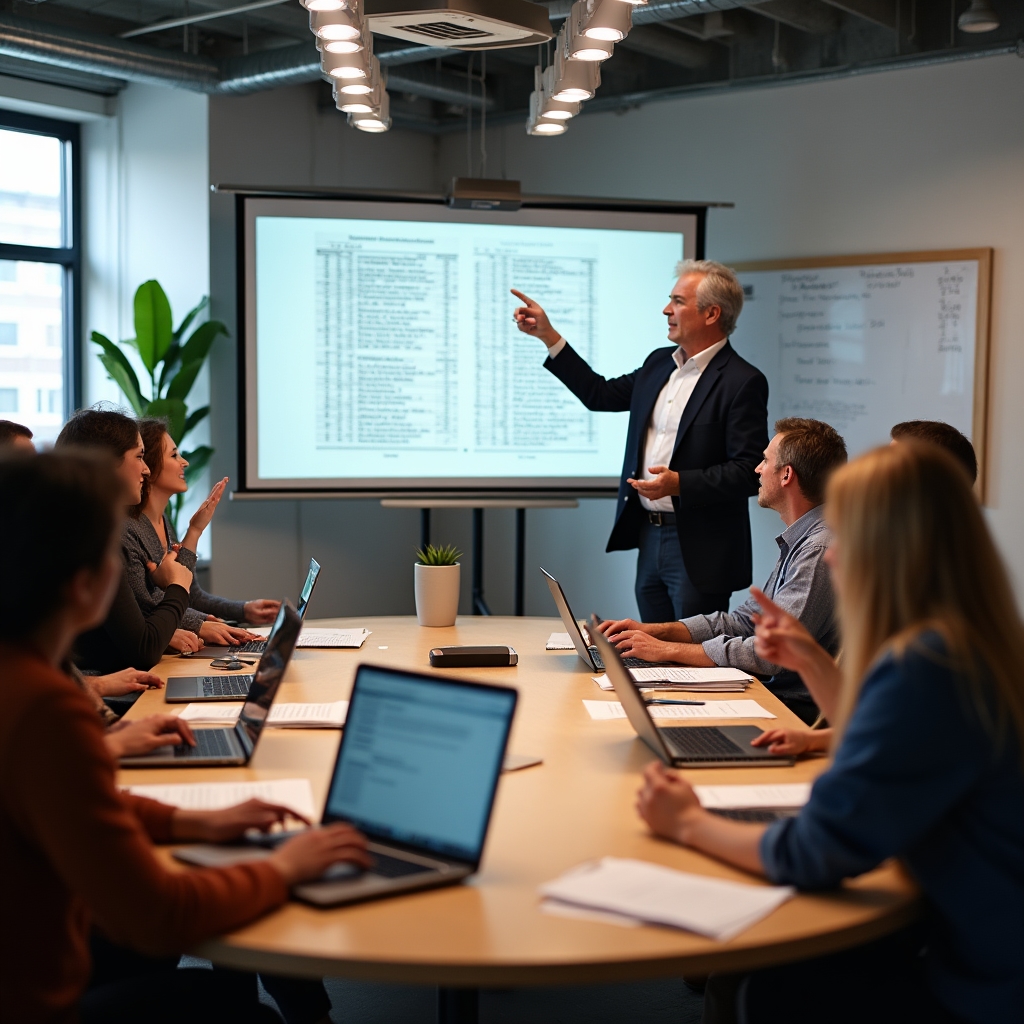
Workshops
Structured learning programs across four skill levels, from first-time researchers to those tackling complex multi-generation research challenges.
Find Your Starting Point
Workshops are organized by research experience, not age or background. Start where your skills are today.
Foundations of Family Research
For anyone starting their genealogy journey. No prior research experience needed.
- Understanding genealogy as a research discipline
- What records exist and where to find them
- Creating your first family tree structure
- Organizing what you already know
Record Types and Research Strategy
For researchers who have a basic family tree and want to push further back.
- Census records in depth: 1850-1950
- Vital records: births, marriages, deaths
- Church and religious records
- Building a research plan that works
DNA, Brick Walls, and Complex Research
For experienced researchers ready to use DNA evidence and tackle difficult research problems.
- DNA testing types and what they reveal
- Chromosome mapping and segment analysis
- Strategies for pre-1850 research
- Working with fragmentary and damaged records
Ethnic and Regional Research
Focused programs for researching specific communities with unique record landscapes.
- African American genealogy post and pre-1870
- Immigration records from Southern and Eastern Europe
- Native American tribal records and enrollment
Census Records Deep Dive
Federal census records are among the most consistently available and information-rich sources in American genealogy. Every ten years from 1790, census enumerators visited households across the country and recorded information that varied by decade but always included names, ages, and household composition.
This workshop covers every federal census from 1850 through 1950, the period when most American genealogists find the richest records. Participants learn what each census asked, how to read the original handwritten schedules, and how to identify transcription errors in indexed versions.
What Participants Work Through
- The evolution of census questions across decades and why it matters for research
- Reading nineteenth-century handwriting with confidence
- Finding households when names were misspelled or recorded under variations
- Using the Soundex system and its limitations
- Connecting census households across multiple decades to trace family movement
Sessions include practice with actual census images. Participants leave with a checklist for approaching any census year and strategies for the specific challenges each decade presents.
Understanding Your DNA Results
Consumer DNA testing has opened an entirely new avenue for genealogy research. Results from AncestryDNA, 23andMe, MyHeritage, and FamilyTreeDNA all provide different types of information, and making sense of it requires understanding a few key concepts.
This workshop series covers autosomal DNA (the most common type in consumer tests), Y-chromosome DNA for paternal lines, and mitochondrial DNA for maternal lines. Participants do not need a science background. The concepts are explained in practical terms focused on research application.